Slide 1 of 1 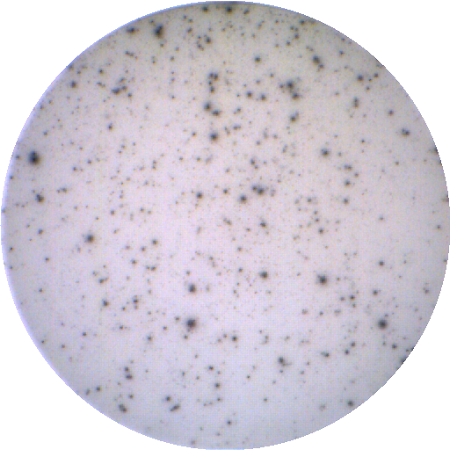
Equine IFN gamma ELISpot
- Catalog Number:
- SPOT2427E
- Availability:
- In stock
- Application:
- ELISpot
- 100% Homology:
- Equus caballus (horse)
 Powered by Bioz
 Components
| Usage | Quantity | Component | |
|---|---|---|---|
| Capture Antibody | 100 µg | PB0280E-100 | |
| Detection Antibody | 50 µg X 2 | PBB0282E-050 | |
| Standard Control | 5 µg | RP0012E-005 |
- The Equine IFN-γ ELISpot assay is widely used to evaluate equine cell-mediated immune responses by sensitively detecting and quantifying low-frequency, IFN-γ-secreting cells at the single-cell level. Interferon-gamma (IFN-γ) is a key pro-inflammatory cytokine produced primarily by activated T cells and NK cells and plays a central role in antiviral immunity, defense against intracellular pathogens, and Th1-type immune responses in horses. IFN-γ measurement is particularly important in equine research for studying diseases such as equine herpesvirus (EHV), equine influenza, and intracellular bacterial infections where strong cellular immunity is critical for protection and disease outcome. This assay answers critical questions about immune function in horses, including vaccine efficacy, infection-induced immunity, T cell activation, and immunomodulatory effects of therapeutics by measuring the frequency of antigen-specific interferon-gamma (IFN-γ)-producing cells. The Equine IFN-γ ELISpot kit contains a Capture Antibody, Detection Antibody, and Standard Control sufficient for the development of up to two (2) ELISpot assays. The included antibodies have been validated for performance in an ELISpot assay using the provided Standard Control. Additional materials and reagents required to complete the assay are not included. Individual components may also be purchased separately. Made in the USA. For research use only.
| Storage Conditions | 2°C to 8°C |
| Country Of Origin | USA |
Equine Interferon-γ (IFN-γ) is a type II interferon cytokine that plays a central role in cell-mediated immunity and regulation of antimicrobial responses in horses (Equus caballus). IFN-γ is primarily produced by activated T helper 1 (Th1) lymphocytes, cytotoxic T cells, and natural killer (NK) cells following stimulation by intracellular pathogens or inflammatory cytokines. Equine IFN-γ binds to the interferon-γ receptor (IFNGR) expressed on many immune and non-immune cells, activating intracellular signaling through the JAK–STAT pathway, particularly STAT1, which induces transcription of interferon-stimulated genes involved in antimicrobial defense, antigen presentation, and immune regulation. In horses, IFN-γ is critical for macrophage activation, enhanced antigen presentation via MHC molecules, and control of intracellular pathogens. In equine health, IFN-γ contributes to immune responses against infectious diseases such as equine herpesvirus and Rhodococcus equi infections. Horses are also used as animal models for respiratory and intracellular bacterial infections, and IFN-γ–mediated immune responses have been studied in foal models of Rhodococcus equi pneumonia, where IFN-γ–driven macrophage activation is important for controlling intracellular bacterial replication, providing insights relevant to both equine infectious disease and comparative studies of pulmonary immunity.
Citations
1 Set
Price: $1,200.00
RELATED MEDIA
