Slide 1 of 1 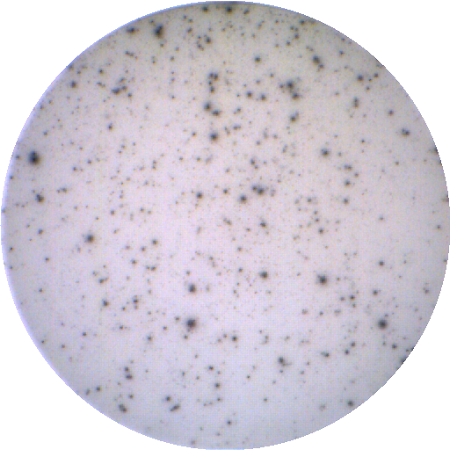
Equine IL-8 ELISpot
- Catalog Number:
- SPOT2432E
- Availability:
- In stock
- Application:
- ELISpot
- 100% Homology:
- Equus caballus (horse), Equus przewalskii (Przewalski's horse)
 Powered by Bioz
 Components
| Usage | Quantity | Component | |
|---|---|---|---|
| Capture Antibody | 100 µg | PB0433E-100 | |
| Detection Antibody | 50 µg X 2 | PBB0434E-050 | |
| Standard Control | 5 µg | RP0312E-005 |
- Equine IL-8 ELISpot contains Capture Antibody, Standard Control, and Detection Antibody for development of up to two (2) ELISpot assays. Other required materials and reagents are not supplied. The antibodies have been determined to function in an ELISpot with the Standard Control provided. Components may also be purchased separately. For research use only.
| Storage Conditions | 2°C to 8°C |
| Country Of Origin | USA |
Equine Interleukin-8 (IL-8), also known as CXCL8, is a potent pro-inflammatory chemokine that plays a central role in innate immune responses in horses (Equus caballus) by mediating neutrophil chemotaxis, activation, and migration to sites of infection or tissue injury. Produced by macrophages, respiratory and intestinal epithelial cells, endothelial cells, and synoviocytes in response to microbial stimuli and inflammatory cytokines, equine IL-8 signals primarily through CXCR1 and CXCR2 receptors to promote rapid neutrophil recruitment and amplification of acute inflammation. Elevated IL-8 expression is associated with common equine conditions such as recurrent airway obstruction (equine asthma), bacterial pneumonia, strangles (Streptococcus equi infection), colitis, endotoxemia, osteoarthritis, and laminitis, where excessive neutrophilic inflammation can contribute to tissue damage and disease severity. As a biomarker, IL-8 is valuable for assessing inflammatory status, monitoring respiratory and joint disease progression, and evaluating treatment responses. In research settings, horses serve as important large-animal models for human asthma, osteoarthritis, sepsis, and exercise-induced inflammation, and characterization of equine IL-8 enhances understanding of neutrophil-driven pathology, mucosal immune responses, and chemokine-targeted therapeutic strategies relevant to both veterinary and human medicine.
Citations
1 Set
Price: $1,200.00
RELATED MEDIA
