Slide 1 of 1 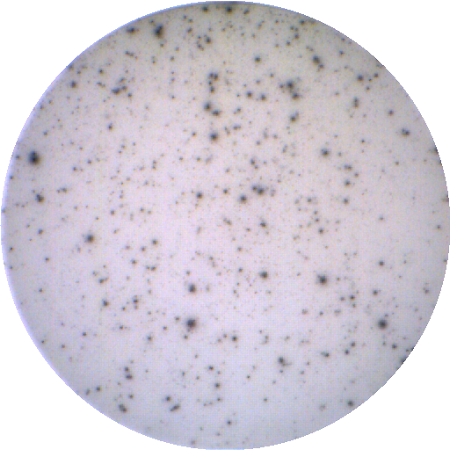
Feline CXCL10 (IP-10) ELISpot
- Catalog Number:
- SPOT2440F
- Availability:
- In stock
- Application:
- ELISpot
- 100% Homology:
- Acinonyx jubatus (cheetah), Felis catus (domestic cat), Lynx canadensis (Canada lynx), Lynx pardinus (Spanish lynx), Panthera leo (lion), Panthera pardus (leopard), Panthera tigris altaica (Amur tiger), Panthera uncia (snow leopard), Puma concolor (puma)
 Powered by Bioz
 Components
| Usage | Quantity | Component | |
|---|---|---|---|
| Capture Antibody | 100 µg | KP1770F-100 | |
| Detection Antibody | 50 µg X 2 | KPB1771F-050 | |
| Standard Control | 5 µg | RP0860F-005 |
- Feline CXCL10 ELISpot contains Capture Antibody, Standard Control, and Detection Antibody for development of up to two (2) ELISpot assays. Other required materials and reagents are not supplied. The antibodies have been determined to function in an ELISpot with the Standard Control provided. Components may also be purchased separately. For research use only.
| Storage Conditions | 2°C to 8°C |
| Country Of Origin | USA |
Feline CXCL10 (C-X-C motif chemokine ligand 10), also known as IP-10 (Interferon gamma–induced protein 10), is a proinflammatory chemokine belonging to the CXC chemokine family, which also includes CXCL9 (MIG) and CXCL11 (I-TAC) that regulate T-cell recruitment during antiviral and inflammatory immune responses. In cats (Felis catus), CXCL10 is produced by macrophages, dendritic cells, epithelial cells, endothelial cells, and fibroblasts in response to interferon-γ (IFN-γ), viral infection, or inflammatory cytokines. CXCL10 signals primarily through the chemokine receptor CXCR3, which is expressed on activated T lymphocytes, natural killer (NK) cells, and other immune cells, promoting chemotaxis and activation of these cells at sites of infection or inflammation. In feline health, CXCL10 is involved in immune responses to viral infections such as feline immunodeficiency virus (FIV) and feline leukemia virus (FeLV), where interferon-driven chemokine signaling helps recruit antiviral immune cells to infected tissues. Cats also serve as important comparative animal models for human viral and immune-mediated diseases; for example, FIV infection in cats is widely used as a model for human HIV/AIDS, where CXCL10-mediated recruitment of CXCR3⁺ T cells contributes to immune activation and viral pathogenesis. In addition, feline infectious peritonitis (FIP) caused by feline coronavirus is used as a model for severe immune-mediated viral inflammation, where CXCL10 expression is associated with T-cell infiltration and cytokine-driven pathology, making feline CXCL10 relevant for studies of antiviral immunity, immune dysregulation, and inflammatory disease mechanisms.
Citations
1 Set
Price: $1,200.00
RELATED MEDIA
