Slide 1 of 1 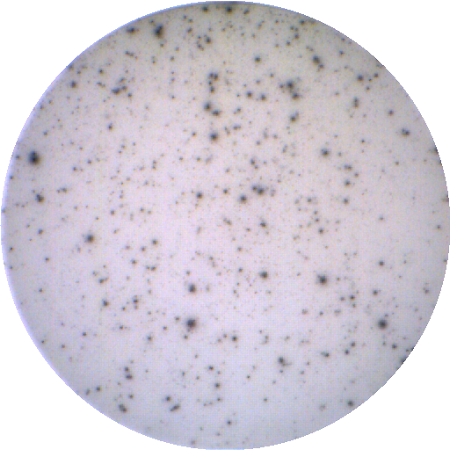
Ferret IL-2 ELISpot
- Catalog Number:
- SPOT2453FT
- Availability:
- In stock
- Application:
- ELISpot
- 100% Homology:
- Mustela nigripes (black-footed ferret), Mustela putorius furo (domestic ferret)
 Powered by Bioz
 Components
| Usage | Quantity | Component | |
|---|---|---|---|
| Capture Antibody | 100 µg | KP1929FT-100 | |
| Detection Antibody | 50 µg X 2 | KPB1930FT-050 | |
| Standard Control | 5 µg | RP1124FT-005 |
- Ferret IL-2 ELISpot contains Capture Antibody, Standard Control, and Detection Antibody for development of up to two (2) ELISpot assays. Other required materials and reagents are not supplied. The antibodies have been determined to function in an ELISpot with the Standard Control provided. Components may also be purchased separately. For research use only.
| Storage Conditions | 2°C to 8°C |
| Country Of Origin | USA |
Ferret IL-2 (Interleukin-2) is a central T cell–derived cytokine that regulates lymphocyte proliferation, differentiation, and immune homeostasis in ferrets (Mustela putorius furo). IL-2 is produced primarily by activated CD4⁺ and CD8⁺ T lymphocytes following antigen recognition and costimulatory signaling, and it functions through the IL-2 receptor complex (IL-2Rα/CD25, IL-2Rβ, and the common γ chain) to promote clonal expansion of antigen-specific T cells, enhance cytotoxic T lymphocyte and natural killer (NK) cell activity, and support development and maintenance of regulatory T cells (Tregs). In healthy ferrets, basal IL-2 expression is typically low but increases during infection, vaccination, and immune stimulation. Altered IL-2 responses have been observed in viral infections such as influenza and SARS-CoV-2, as well as in inflammatory and immune-mediated conditions. Ferrets serve as important translational animal models for human respiratory viral diseases, including influenza and COVID-19, due to similarities in lung physiology and viral pathogenesis. In biomedical research, ferret IL-2 is used as a biomarker of T cell activation and cell-mediated immunity, supporting studies of vaccine efficacy, antiviral immunity, and immunopathology in respiratory disease models.
Citations
1 Set
Price: $1,200.00
RELATED MEDIA
