Slide 1 of 1 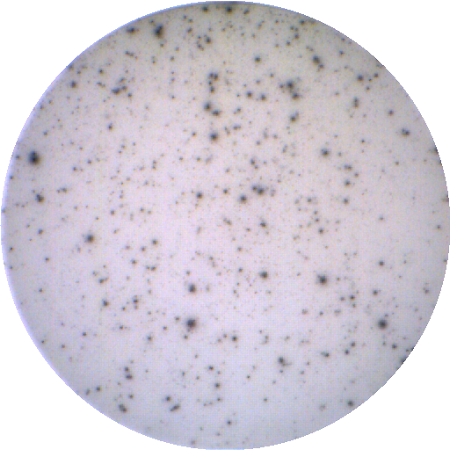
Human CCL2 (MCP-1) ELISpot
- Catalog Number:
- SPOT2459H
- Availability:
- In stock
- Application:
- ELISpot
- 100% Homology:
- Gorilla gorilla gorilla (western lowland gorilla), Homo sapiens (human), Pan troglodytes (chimpanzee)
 Powered by Bioz
 Components
| Usage | Quantity | Component | |
|---|---|---|---|
| Capture Antibody | 100 µg | KP1623H-100 | |
| Detection Antibody | 50 µg X 2 | KPB1624H-050 | |
| Standard Control | 5 µg | RP1482H-005 |
- The Human CCL2 ELISpot assay is designed to evaluate CCL2-secreting cells by sensitively detecting and quantifying low-frequency chemokine-producing cells at the single-cell level. CCL2, also known as monocyte chemoattractant protein-1 (MCP-1), is a chemokine that plays a key role in recruiting monocytes, macrophages, and other CCR2-expressing immune cells to sites of inflammation. In humans, CCL2 is involved in regulation of inflammatory responses associated with infection, tissue injury, cancer, and chronic inflammatory diseases. Measurement of CCL2 is particularly important in human research for studying immune cell trafficking, inflammatory signaling, and disease mechanisms in conditions such as atherosclerosis, autoimmune disease, neuroinflammation, and cancer. This assay enables researchers to quantify CCL2-producing cells to better understand chemokine-driven monocyte recruitment and inflammatory immune responses. The Human CCL2 ELISpot kit contains a Capture Antibody, Detection Antibody, and Standard Control sufficient for the development of up to two (2) ELISpot assays. The included antibodies have been validated for performance in an ELISpot assay using the provided Standard Control. Additional materials and reagents required to complete the assay are not included. Individual components may also be purchased separately. Made in the USA. For research use only.
| Storage Conditions | 2°C to 8°C |
| Country Of Origin | USA |
Human CCL2 (C-C motif chemokine ligand 2, also known as monocyte chemoattractant protein-1, MCP-1) is a pro-inflammatory chemokine that plays a critical role in recruitment and activation of monocytes, macrophages, dendritic cells, and memory T cells during immune responses. CCL2 primarily signals through the CCR2 receptor, activating intracellular pathways that promote leukocyte migration, cytokine production, and coordination of innate and adaptive immunity at sites of infection, tissue injury, or inflammation. In humans, CCL2 is produced by a variety of cells including endothelial cells, fibroblasts, epithelial cells, and immune cells in response to inflammatory stimuli such as infection or tissue damage. While CCL2-mediated recruitment of monocytes is essential for host defense and tissue repair, dysregulated or excessive expression contributes to chronic inflammatory diseases including atherosclerosis, rheumatoid arthritis, multiple sclerosis, inflammatory bowel disease, and chronic kidney disease. CCL2 also plays an important role in cancer biology, where it promotes recruitment of tumor-associated macrophages that can support tumor growth, angiogenesis, and metastasis. As a key regulator of monocyte trafficking and inflammatory signaling, human CCL2 is widely studied as both a biomarker of inflammation and a therapeutic target in autoimmune disease, cardiovascular disease, cancer, and other chronic inflammatory conditions.
Citations
1 Set
Price: $1,200.00
RELATED MEDIA
